Venture-backed medical device · Wearable sensing · 2015–2021
CorBand
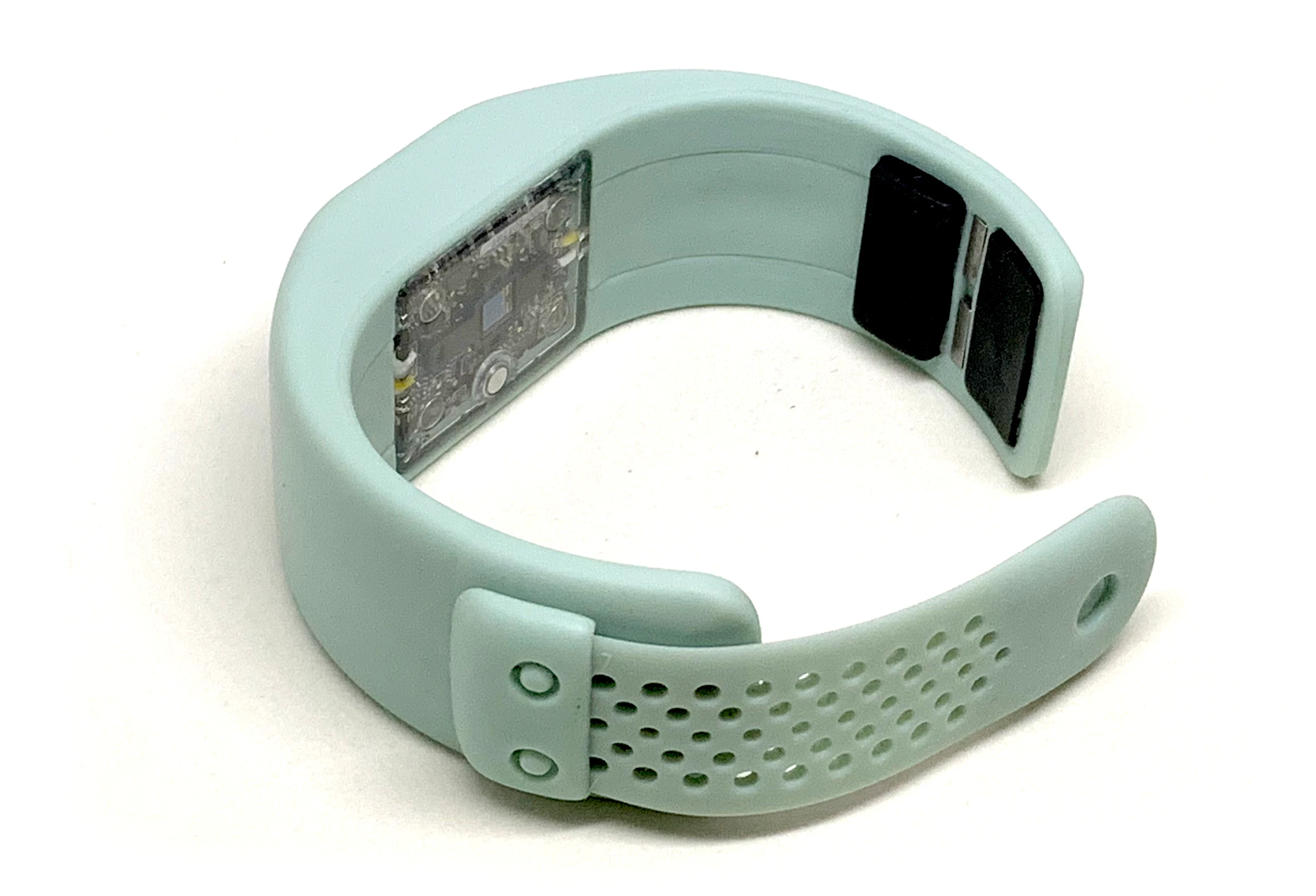
I founded and led ReThink Medical to develop CorBand: a clinical-stage wrist-worn platform built around first-of-its-kind dry-electrode bioimpedance spectroscopy, a differentiated adaptive PPG system, embedded firmware, wireless telemetry, and cloud infrastructure.
Building ReThink Medical
Founder · CEO & CTO
I led the company, system architecture, product roadmap, multidisciplinary engineering, clinical and regulatory programs, manufacturing relationships, IP strategy, and financing from initial sensing research through acquisition.
raised in venture funding and grants
ReThink grew from custom physiologic instrumentation into a venture-backed medical-device company developing a novel home-monitoring platform for heart failure and fluid management.
The financing included venture investment and competitive NIH/NHLBI support.
Company and program accomplishments
- Multidisciplinary internal team
- System architecture and technical roadmap
- Custom sensing hardware and firmware
- Algorithms, cloud, and clinical software
- Contract manufacturing and supply chain
- Medical-device quality system
- FDA and central-IRB coordination
- Multicenter clinical studies
- Patent strategy and prosecution
- Venture and non-dilutive financing
- Patient and clinical workflows
- Acquisition by Terumo
A new approach to wrist sensing
Core technical innovation
The central work was not simply packaging familiar sensors in a band. CorBand required new electrode, optical, compensation, and signal-quality approaches to make longitudinal measurements at the wrist practical.
First dry-electrode wrist BioZ
CorBand pioneered a wrist-worn bioimpedance spectroscopy architecture using four reusable dry electrodes rather than disposable gel electrodes, enabling repeated multi-frequency measurements during long-term wear.
Making dry electrodes accurate
Dry electrodes create high, mismatched contact impedances and leakage-current errors that can overwhelm the BioZ signal. I developed a novel method to measure those leakage currents and compensate for their effects, enabling highly accurate measurements even with low-quality electrodes. The resulting methods generated U.S., international, and Japanese patent families.
Adaptive PPG, distinct by design
I developed a unique PPG system that adapted to each wearer, maintaining signal quality across skin tones and changing conditions through multiple LED wavelengths, automatic emitter control, and a custom analog front end. It delivered exceptional signal performance while remaining architecturally distinct from the approaches claimed across the existing wearable PPG patent landscape.
System definition
Released hardware record
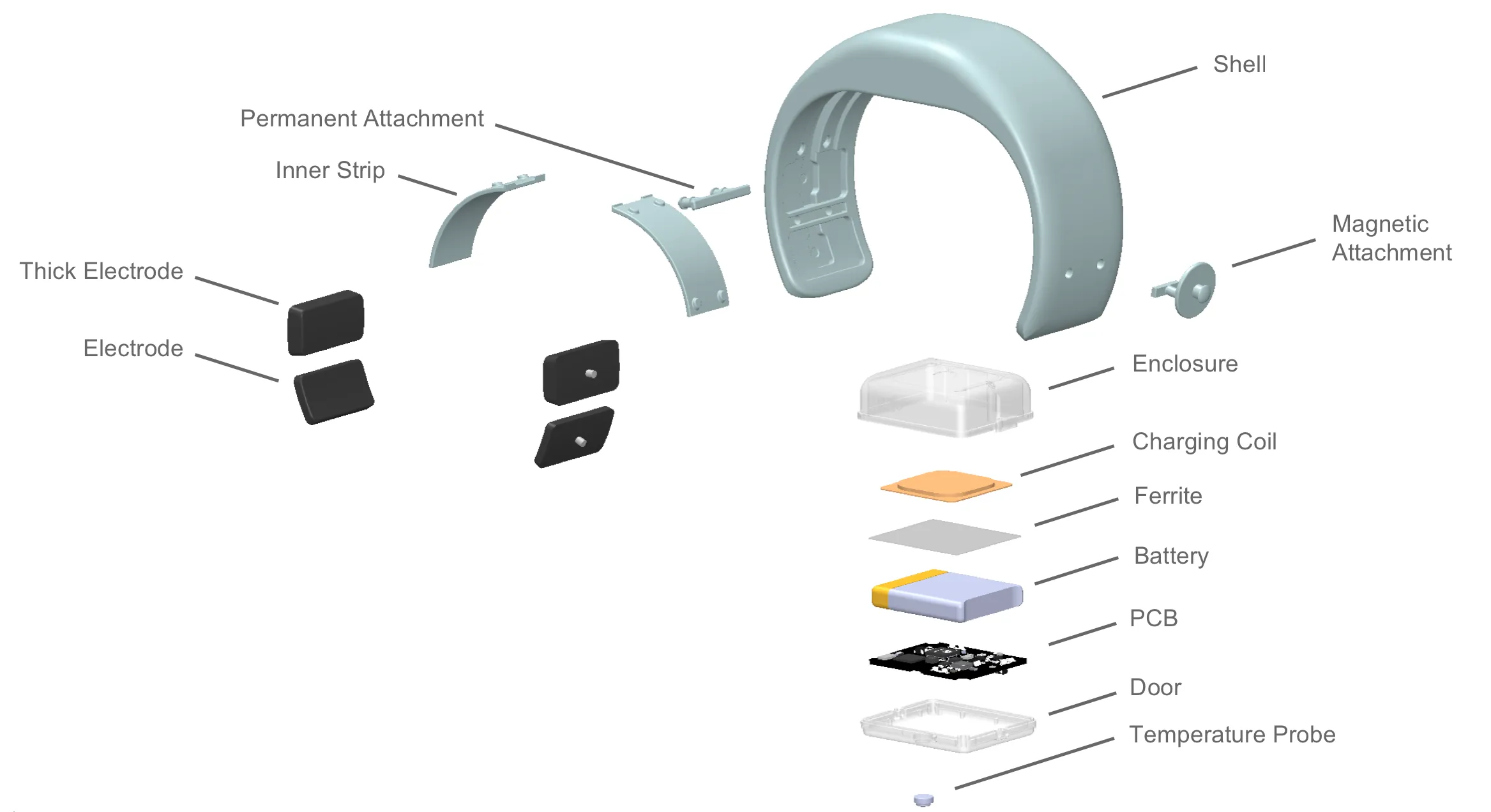
The device combined the novel sensing subsystems with temperature, motion, embedded processing, local memory, wireless communications, and inductive charging.
- Weight
- ≤80 g
- Main body
- ≤17 mm thick
- Wrist range
- 140–200 mm
- Wear profile
- Nonsterile · prolonged surface contact (>30 days)
- Bioimpedance
- Four dry electrodes · 1 kHz–1 MHz · <350 µA
- Optical sensing
- Green and infrared emitters · adaptive per-wearer calibration
- Motion
- LIS2DH12 3-axis accelerometer
- Main processor
- STM32L431 Arm Cortex-M4
- Connectivity
- ESP32-D2WD Wi-Fi subsystem
- Local memory
- 64 Mbit flash-memory IC
- Power
- 160 mAh, 3.7 V Li-polymer · Qi charging
- System
- Embedded firmware · gateway · cloud infrastructure
From sensor to clinical hardware
Product artifacts
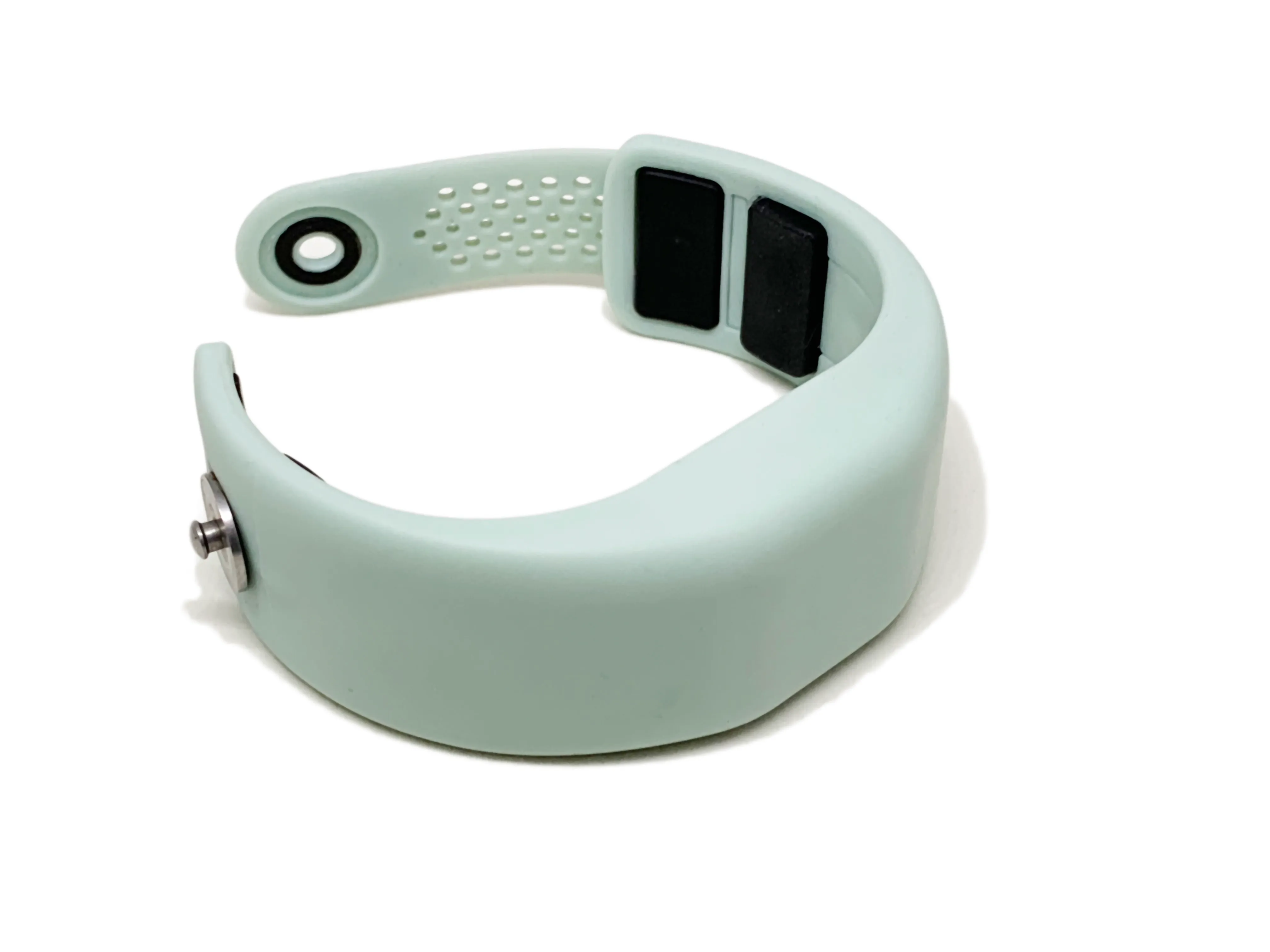
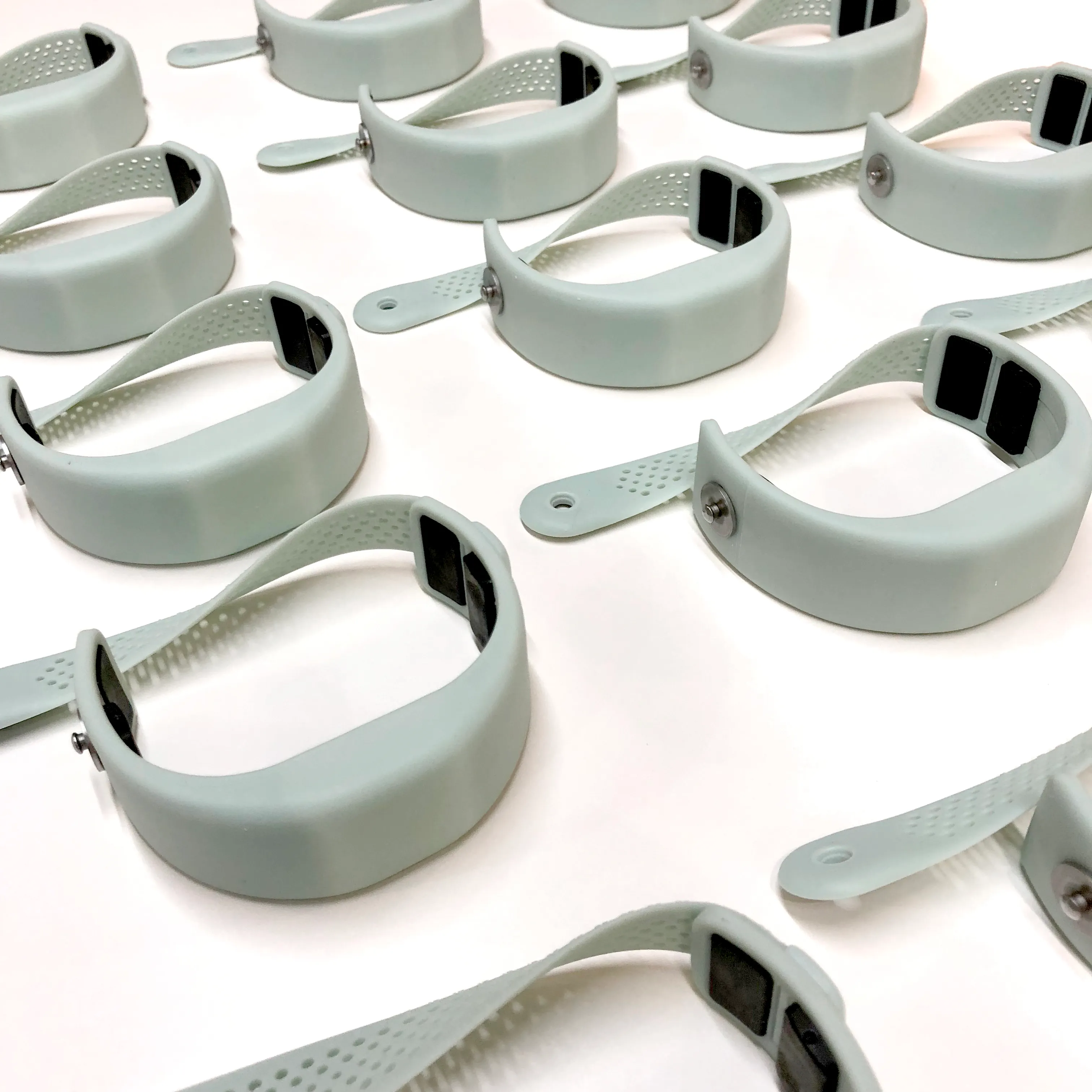
The enclosure, sensing surfaces, internal stack, inductive charging system, and controlled builds were engineered together as a wearable medical-device platform.
Clinical, quality, and regulatory development
Medical-device program
The company paired technical development with a formal quality system, clinical operations, design controls, and early FDA engagement.
Completed multicenter feasibility study
ZENITHClinical measurement program
The U.S. study evaluated CorBand measurements in people receiving heart-failure or dialysis care, supported by site activation, training, EDC, monitoring, device accountability, and safety workflows.
ClinicalTrials.govLongitudinal multicenter lead-in
CONSORTIAExtended home wear
The lead-in program deployed CorBand across multiple active sites and demonstrated multi-month home wear while building the operational and data foundation for algorithm development.
Clinical-stage evidence generation; not a claim of clinical effectiveness.FDA Q-Submission and formal QMS
FDA / ISORegulatory foundation
FDA feedback identified De Novo as the likely pathway, subject to further validation. The QSR-aligned quality system covered design history, document and supplier control, risk management, software control, CAPA, complaints, verification, and clinical-device accountability, with development toward ISO 13485 readiness.
Standards planning also addressed IEC 60601 electrical safety/EMC and ISO 10993 biocompatibility work.Patent portfolio and continuation
Selected public record
The work generated patent families covering multimodal cardiac monitoring, wrist-worn measurement behavior, dry-electrode BioZ calibration, and edema detection. Core rights were acquired by Terumo, with later U.S. and Japanese grants and continuing applications.